The UK 3-Day Emergency Kit, Item by Item (Every Budget)
Plain-English breakdown of the official 72-hour household checklist — what you already own, what actually matters, and calm options from £25.
First Aid & Medical Disclaimer
Content on this site is general preparedness information, not professional medical advice. Always follow NHS guidance, dial 111 or 999 in a medical emergency, and consult your GP or pharmacist regarding prescription medicines.
10-Minute Action Summary
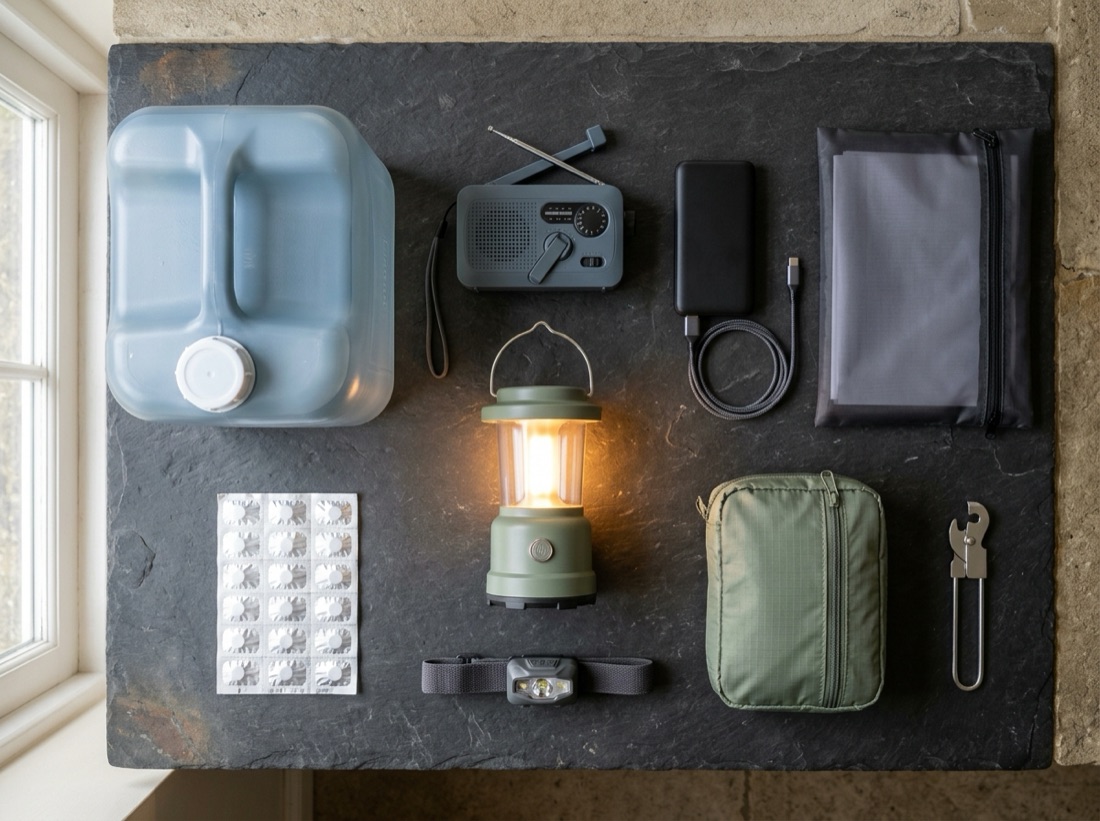
- [✓]Drinking water: at least 3 litres per person per day (9–10L per person for 3 days)
- [✓]No-cook shelf-stable food your household genuinely eats + a manual tin opener
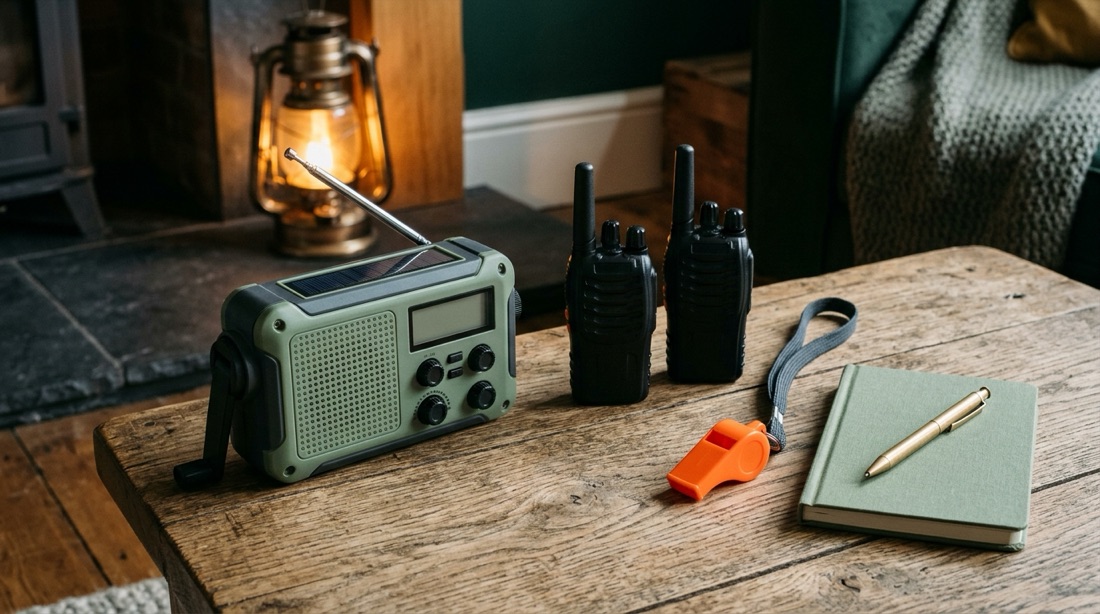
- [✓]Battery or wind-up FM radio to receive BBC national/local emergency broadcasts
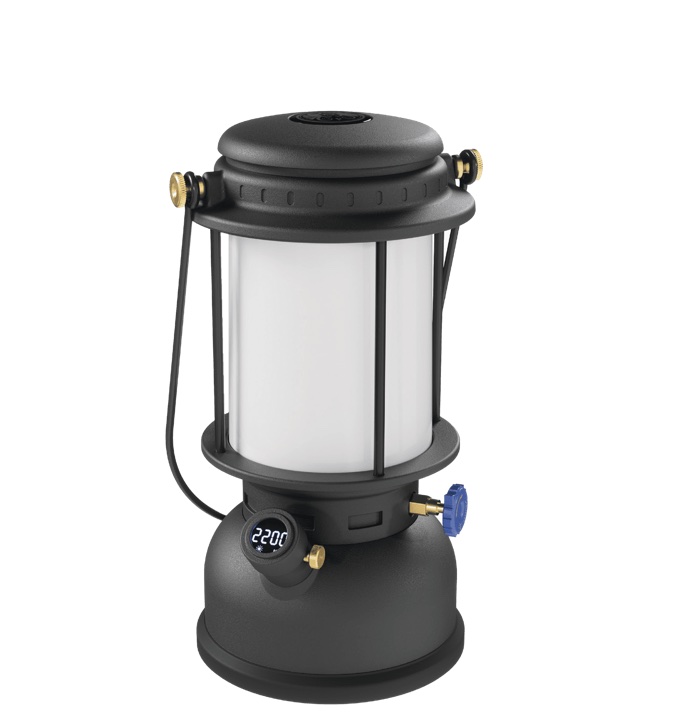
- [✓]LED battery room lantern + hands-free head torch (safer than candles)
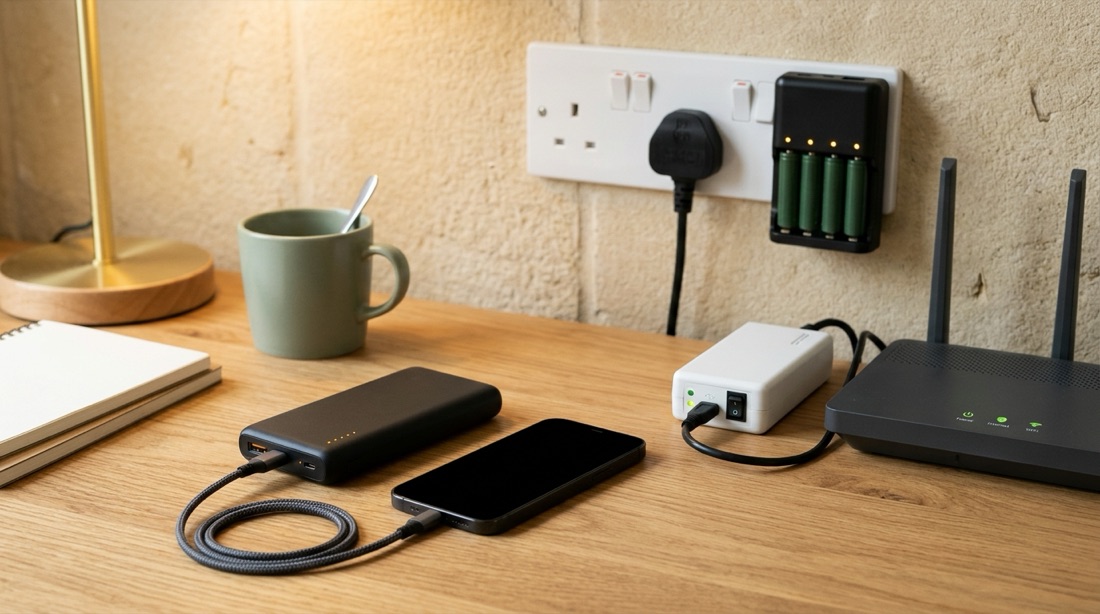
- [✓]Charged 20,000mAh USB-C power bank + phone cables
- [✓]First-aid kit, repeat prescriptions, baby/pet items, wet wipes & toilet liners
- [✓]Small cash contingency pot (notes and coins) + paper contact & policy list
- [✓]Check Priority Services Register eligibility for older or medically vulnerable relatives
1. Start in Your Own Kitchen Cupboard First
Government survey research shows 27% of Britons put off preparing because of cost, and 25% because they are unsure where to start. Good news: most homes already own half of a 3-day kit scattered across different drawers.
Before spending a penny, gather a sturdy lidded plastic storage box and put your existing torch, spare batteries, manual tin opener, paracetamol, plasters and phone cable in one predictable place you can find in the dark.
2. Water & Toilet Backup (The Biggest Real-World Gap)
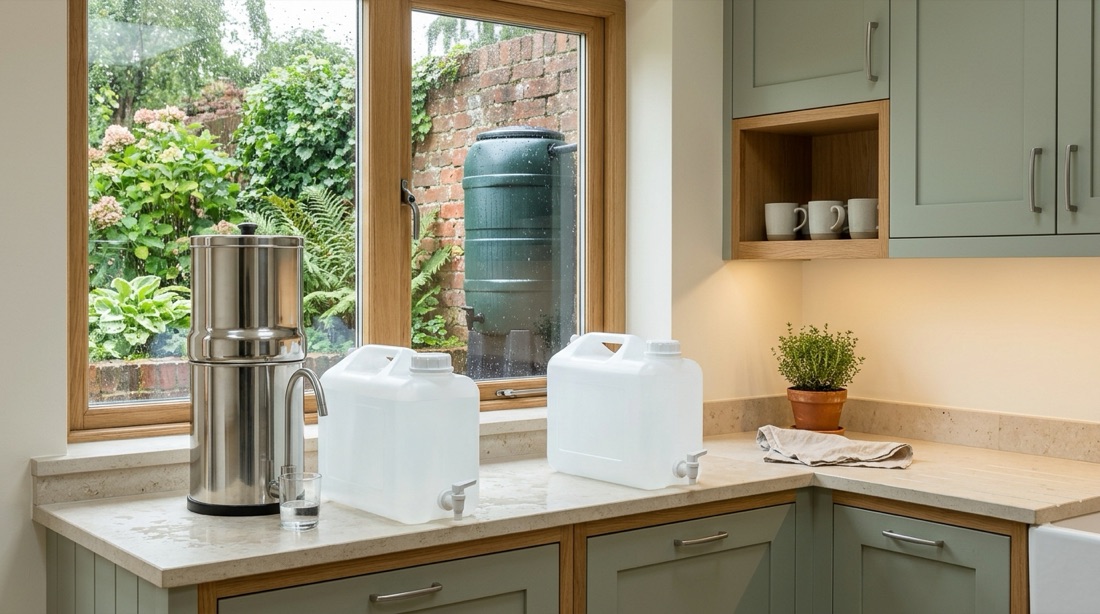
Around 43% of UK households store no bottled water at all. Aim for a minimum of 3 litres per person per day for drinking alone (18–20 litres for two adults over 72 hours), or up to 10 litres per person per day if you want comfortable washing and cooking margin.
In small flats, two stackable 15-litre food-grade containers or supermarket 5-litre bottles tucked at the bottom of a wardrobe take less floor area than a pair of boots. Pair them with a box of absorbent toilet bowl liners in case mains water pressure drops at the same time.
3. Safe Light & an FM Radio When Masts Lose Power
Avoid candles during blackouts — fire brigades attend preventable candle fires during every major winter storm. One warm-white battery LED lantern lights an entire living room safely for days.
Mobile phone masts typically carry limited battery backup during wide-area grid faults. A battery or wind-up FM radio lets you tune in to BBC Radio 2, Radio 4 or your local BBC station for verified restoration updates.
“Preparedness is not stockpiling for doomsday — it is making sure a 48-hour winter power or water cut feels like a quiet weekend indoors.”
Frequently Asked Questions
Are ready-made 'government approved' survival kits genuine?
No commercial kit is endorsed or approved by the UK Government. Public guidance on GOV.UK and Be Ready sets out a general checklist only — compare individual items carefully so you do not overpay for low-grade filler.
How often should I check my 3-day emergency box?
Twice a year — when the clocks change in March and October — top up your USB power bank to 80–100%, check battery and medicine dates, and rotate bottled or stored water.