What to Do in a UK Power Cut: Before, First Hour & Multi-Day Plan
Calling 105, protecting your fridge-freezer, keeping one room warm without mains gas pumps, and sizing indoor-safe backup batteries.
Carbon Monoxide (CO) Safety Warning
Never use gas camping stoves, charcoal barbecues or petrol/diesel generators inside a home, flat, garage, conservatory or tent — even with a window open. Always operate outdoors in fresh air and keep a working battery-powered BS EN 50291 carbon monoxide alarm indoors.
10-Minute Action Summary
- [✓]Check if neighbours' street lights or Wi-Fi names are also off (rules out your own trip switch)
- [✓]Call 105 free from a mobile to report or check local Distribution Network Operator (DNO) updates
- [✓]Switch off high-draw appliances (ovens, irons, electric heaters) so surges do not trip when power returns
- [✓]Leave one landing light switched ON so you notice immediately when mains power comes back
- [✓]Keep fridge and freezer doors closed (a full freezer stays frozen ~48 hours unopened)
1. The First 15 Minutes: Fusebox vs Street Fault
Check your consumer unit (fusebox) first with a head torch. If an RCD switch has tripped, unplug recent kitchen appliances and reset it. If street lighting and neighbouring houses are also dark, dial 105 (the free national power-cut number across England, Scotland and Wales; in Northern Ireland contact NIE Networks on 03457 643 643).
Unplug sensitive electronics and turn off electric hobs or heaters that might be forgotten when supply restores.
2. Why Gas Central Heating Stops — and How to Stay Warm
Modern UK gas combi and system boilers require mains 230V electricity to run their circulation pump, fan and digital PCB. Without electricity, radiators cool down quickly.
Close curtains and internal doors around a single south-facing or central living room. Dress in breathable merino base layers, wool socks and fleece throws first — insulating people is vastly safer and more effective than improvising indoor combustion heaters. Never bring patio gas heaters, BBQs or camping stoves indoors due to fatal carbon monoxide risk.
3. Power Bank vs Portable Power Station
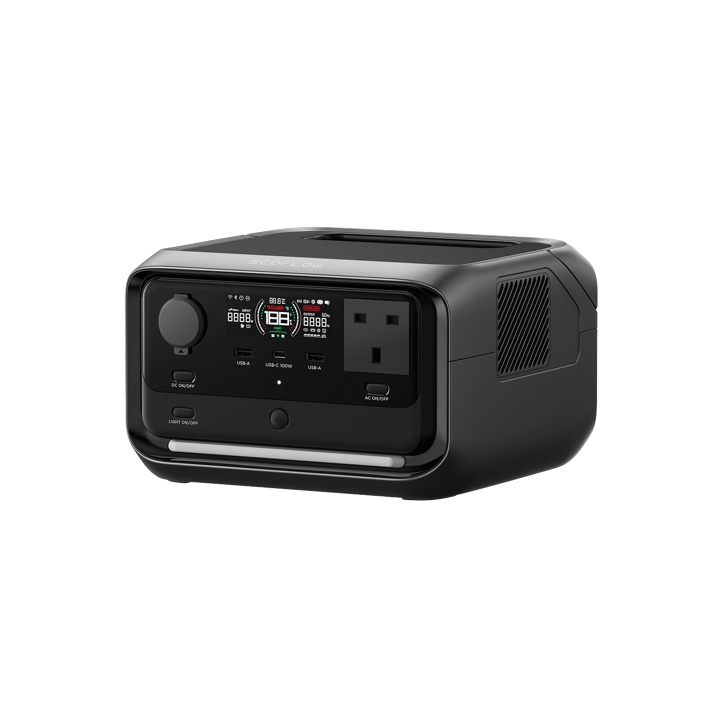
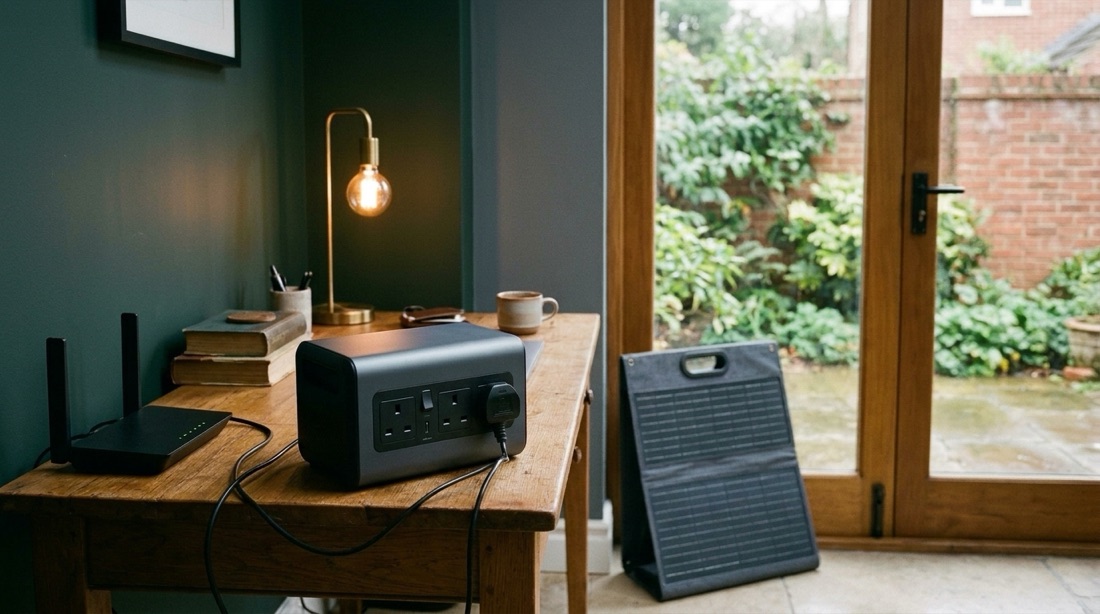
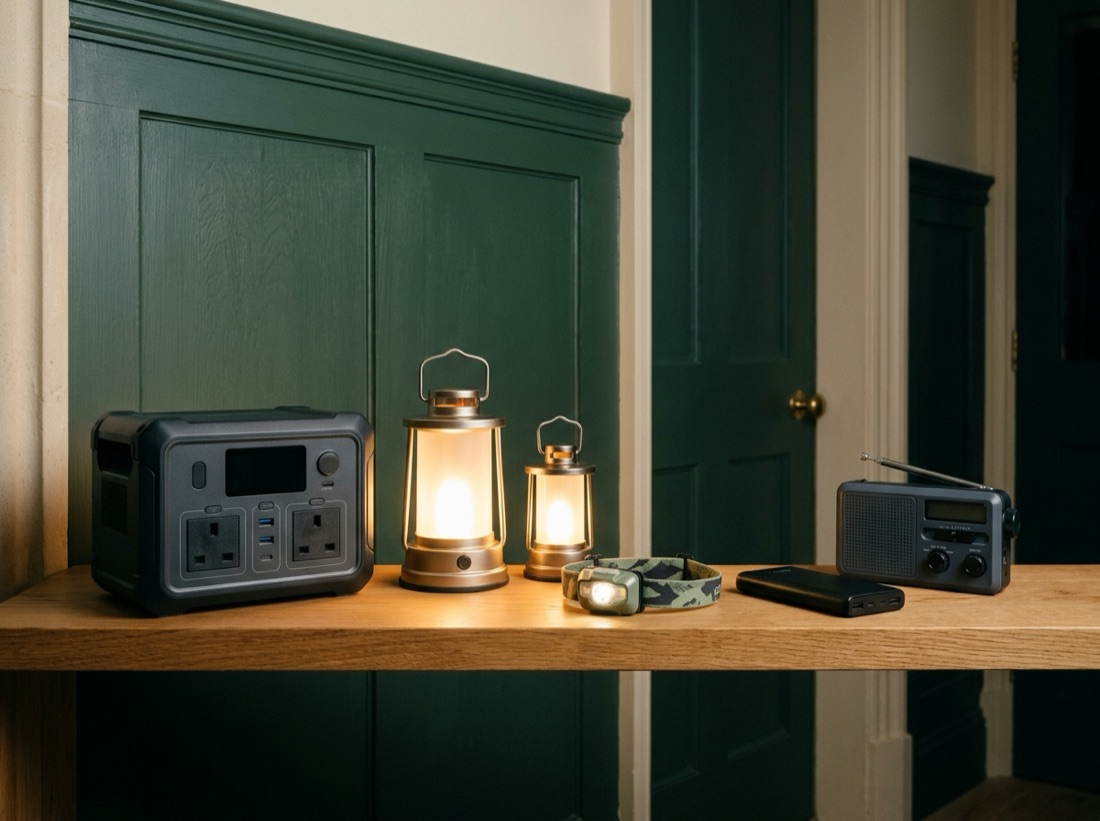
For under £40, a 20,000mAh USB-C power bank keeps phones charged for 3 days. Moving up to a ~300Wh LiFePO4 station adds broadband router UPS support and laptop power, while a 1,000Wh+ station keeps a kitchen fridge-freezer or medical CPAP machine running overnight.
“Never use camping gas stoves, charcoal BBQs or petrol generators indoors, in garages or near open windows — carbon monoxide has no smell or colour.”
Frequently Asked Questions
What is the Priority Services Register (PSR)?
A free UK scheme run by energy and water suppliers plus network operators for households with pensioners, young children, disabled people or power-dependent medical equipment. Registering gets you priority updates and welfare support in prolonged cuts.
How long does food last in a fridge or freezer during a power cut?
Food in an unopened fridge typically stays safe for around 4 hours. A full, unopened chest or upright freezer typically holds temperature for up to 48 hours (around 24 hours if half-full).