Petrol Generators, 30-Litre UK Fuel Rules & Carbon Monoxide Safety
Why most UK homes should buy an indoor LiFePO4 battery station instead — and strict HSE & CO safety rules if you live rurally.
Carbon Monoxide (CO) Safety Warning
Never use gas camping stoves, charcoal barbecues or petrol/diesel generators inside a home, flat, garage, conservatory or tent — even with a window open. Always operate outdoors in fresh air and keep a working battery-powered BS EN 50291 carbon monoxide alarm indoors.
HSE Domestic Petrol Storage Limit (Max 30 Litres)
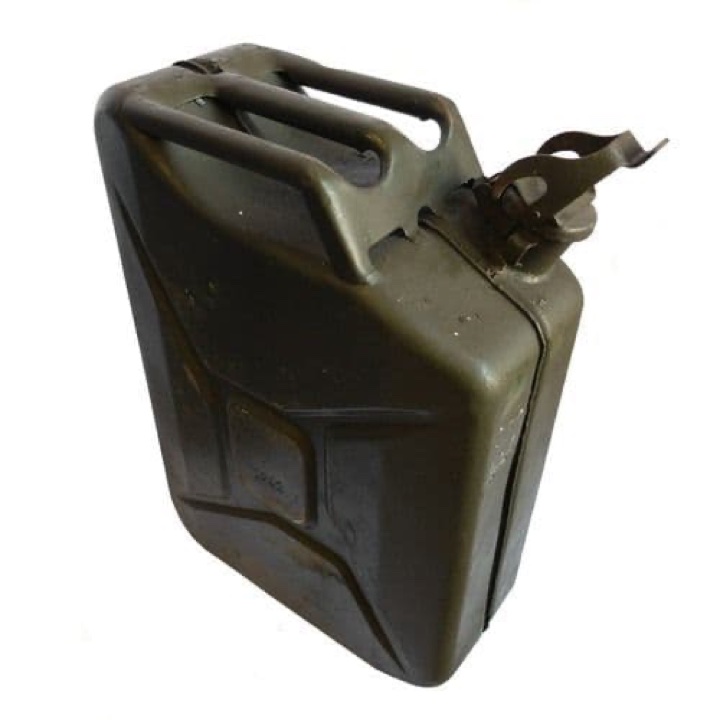
Under UK Health and Safety Executive (HSE) rules, households may store at most 30 litres of petrol in approved, labelled containers (up to 10L plastic or 20L metal) in a well-ventilated outbuilding away from living spaces — never inside a house or flat.
10-Minute Action Summary
- [✓]For 90% of UK homes and all flats, choose a silent indoor LiFePO4 battery station + solar instead of petrol
- [✓]NEVER run a generator inside a house, garage, shed, porch, gazebo or conservatory — even with doors wide open
- [✓]Site outdoor generators ≥6 metres (20 feet) from buildings with exhaust pointing away from windows/vents
- [✓]Fit a sealed 10-year BS EN 50291 battery carbon monoxide alarm inside your home
- [✓]Observe UK HSE domestic petrol limits: max 30L total in UN-approved cans (≤10L plastic or ≤20L metal) in an outbuilding
1. The Smarter Rural Hybrid Setup: Run 1 Hour Outdoors, Use 23 Hours Silent
Even on a detached rural property during a 5-day overhead line fault, running a petrol generator 24/7 wastes fuel and disturbs neighbours. Instead, use a pure sine-wave suitcase inverter generator outdoors in daylight for just 60 minutes to fast-charge a 1kWh indoor LiFePO4 battery station, then switch the generator off completely.
2. UK HSE 30-Litre Domestic Petrol Storage Law
Under UK Health and Safety Executive rules, domestic premises may store up to 30 litres of petrol without licensing, strictly in UN-approved stoppered containers (up to 10 litres in plastic or up to 20 litres in metal) kept in a well-ventilated detached shed or garage away from ignition sources — never inside living accommodation.
“An open garage door does NOT make a generator safe: carbon monoxide pools rapidly and seeps through internal walls.”
Frequently Asked Questions
Can I plug a generator into my house wall socket using a double-ended plug lead?
NEVER — 'backfeeding' a wall socket with a male-to-male lead is lethal to DNO line engineers working on the street network, bypasses household RCD protection and risks electrical fires. Only connect via a qualified electrician's changeover switch or plug appliances directly into the generator's weatherproof extension.