Household Cyber Readiness: Offline Backups, Security Keys & Supply Buffers
Practical NCSC-aligned steps to protect family accounts from AI-assisted phishing and ride out retail or NHS IT outages.
10-Minute Action Summary
- [✓]Protect your primary email account with phishing-resistant 2FA (passkeys or a pair of hardware security keys)
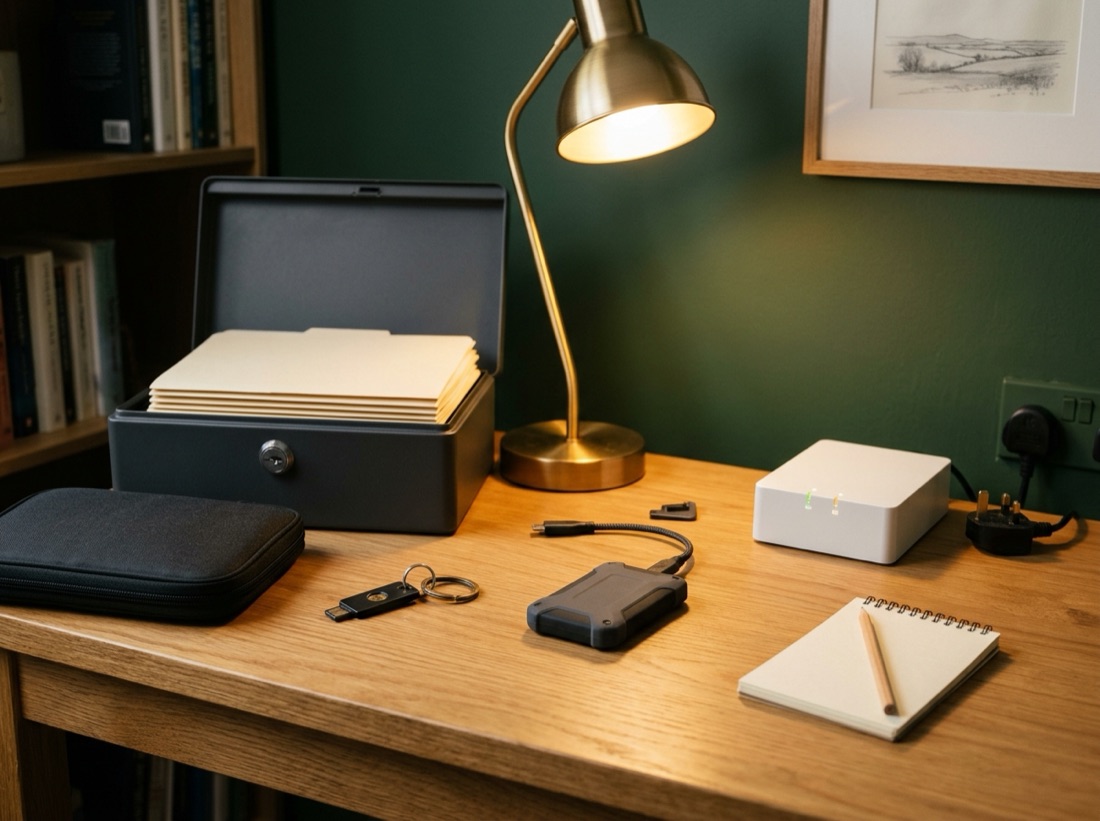
- [✓]Use a reputable password manager and print an offline Emergency Sheet stored in your fireproof chest
- [✓]Follow the 3-2-1 backup rule: keep one encrypted external SSD unplugged from your computer
- [✓]Reorder repeat NHS prescriptions 7 days before running out in case pharmacy/GP IT systems stall
1. Lock Down Your Primary Email Account First
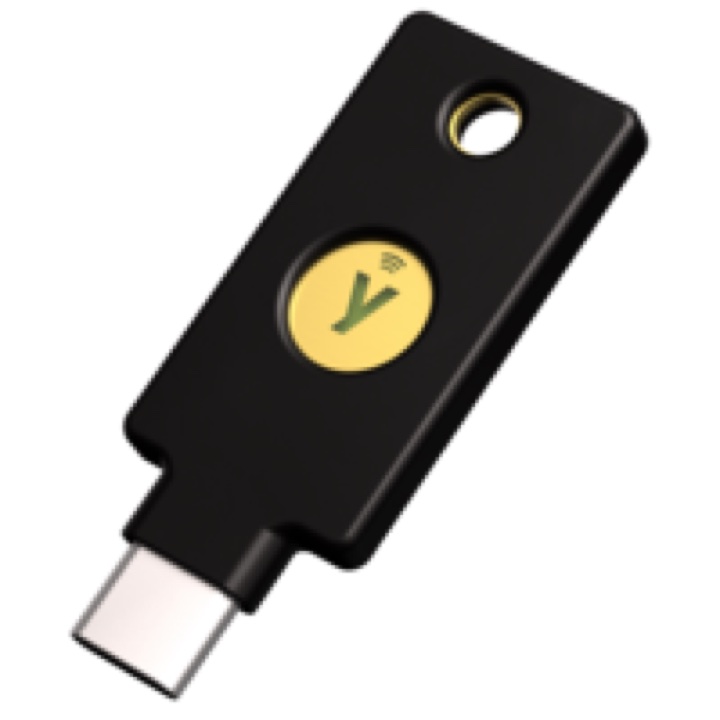
Almost half of UK adults still leave primary email accounts without strong two-factor authentication. Because every bank, utility and cloud service resets passwords via email, locking your email with FIDO2 hardware security keys gives immediate protection.
2. Why Physical Pantry Buffers Matter in Cyber Incidents
Spring 2025 retail ransomware incidents left UK supermarket chillers patchy for days via warehouse scheduling disruption — not panic buying. Keeping three to seven days of normal shelf-stable groceries means you can calmly skip chaotic queues.
“An unplugged encrypted backup drive and a printed recovery sheet cost under £100 and survive any cloud lockout.”
Frequently Asked Questions
Do ordinary households need a Faraday bag?
For 99% of households, a phishing-resistant security key, an unplugged backup drive and a working FM radio deliver far more real-world protection than EMP Faraday pouches (apart from small signal-blocking pouches used against keyless car theft).